.webp)

Written by:
Journeymen Moving Team
Published:
September 23, 2026
DIY move vs hiring movers compared on real costs, time, and risk, so you can decide with your actual move in mind, not just the truck rental price.
A DIY move usually looks cheaper on paper, but once you add truck rental, gas, insurance, packing supplies, and the value of a full weekend of your own labor, the gap between doing it yourself and hiring movers is often smaller than people expect. The right call depends less on your total household size and more on what your move actually involves: stairs, distance, fragile or heavy items, and how much your time is worth to you right now.
This isn't a blanket case for one option over the other. It's a breakdown of where each approach genuinely wins, so you can run the comparison against your own move instead of a generic rule of thumb.
A DIY move's real cost is the truck rental plus fuel, plus every incidental you don't think about until moving day: dollies, furniture pads, extra insurance, tolls, and the meals you buy because nobody has time to cook. Add those up and a "free" move using borrowed help often lands within a few hundred dollars of a professional local move, especially for a one or two bedroom home.
The costs people consistently underestimate are the truck's mileage fee if you're going any distance, the deposit on rental equipment like a hand truck or furniture dolly, and the liability you're taking on if the rental company's basic damage waiver doesn't cover what you're hauling. None of these show up in the advertised daily rental rate, and they're the reason a DIY move that looked like the budget option sometimes ends up costing nearly as much as hiring help.
It depends heavily on distance and home size: a studio or one-bedroom local move is usually genuinely cheaper to do yourself, while a three-bedroom home or anything requiring a long drive narrows or erases the savings once you count time, gas, and the risk of damage. The math shifts fast once your move stops being small and simple.
For a small local move with light furniture and no stairs, renting a truck for an afternoon and recruiting a few friends is a reasonable way to save money. For a larger home, a move with a lot of heavy furniture, or anything long-distance, the labor and liability side of a DIY move grows much faster than most people plan for, and that's usually where hiring movers starts to pay for itself instead of just costing more.
The biggest risk in a DIY move isn't the money, it's damage and injury: back strain from lifting furniture without the right technique, scratched floors and walls from maneuvering large pieces through doorways, and broken items from improper loading. A professional move transfers a lot of that risk to a company that carries insurance and knows how to handle it.
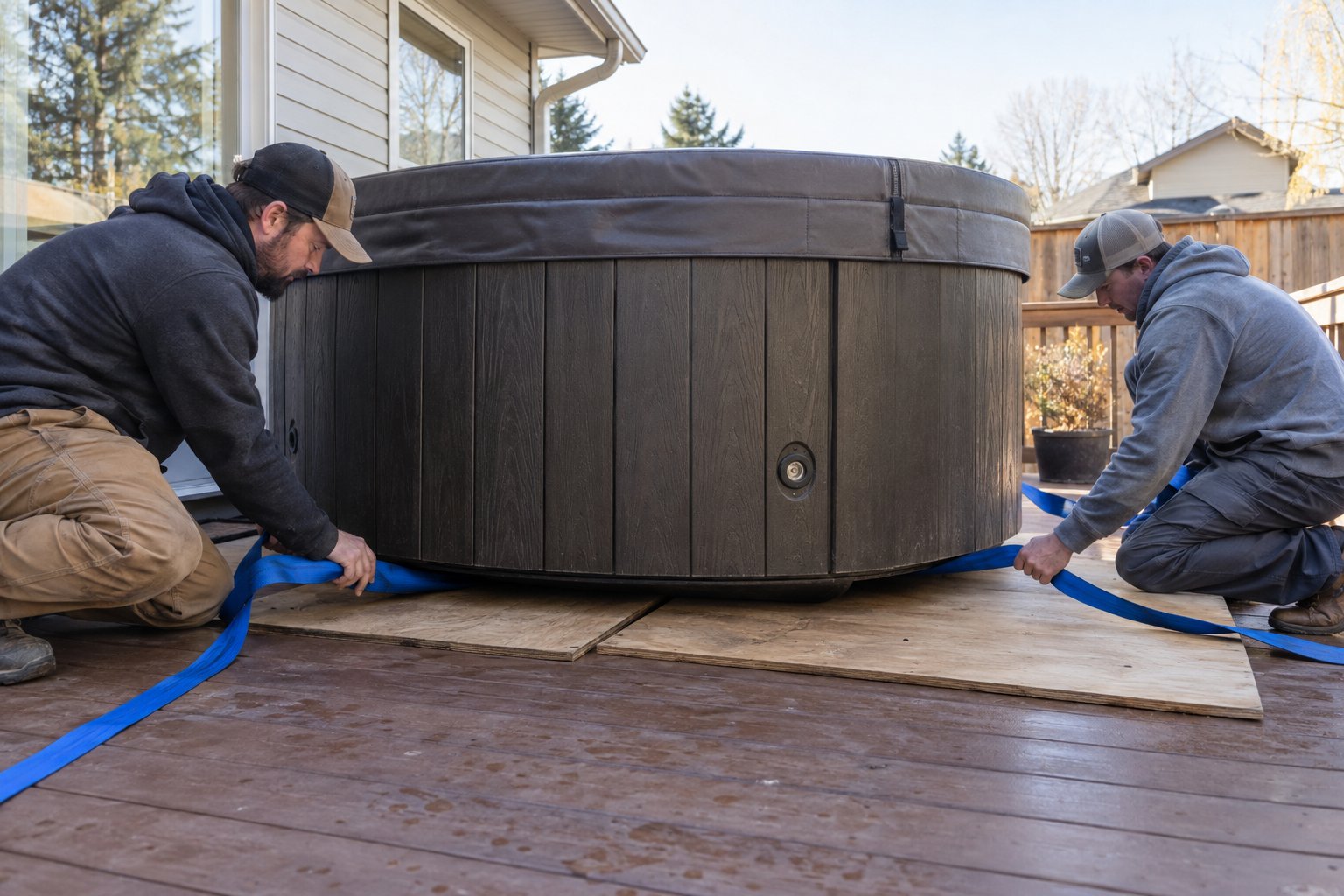
Heavy or awkward items are where DIY moves go wrong most often. A couch that won't clear a stairwell turn, an appliance that's heavier than it looks, or a dresser that needs to come apart to fit through a doorway can turn a simple move into a stressful, injury-prone afternoon. If your move includes anything unusually heavy or delicate, it's worth looking at what heavy and specialty item moving actually involves before you decide to handle it with borrowed help and a rented dolly.
Hiring movers is the better call once your move involves stairs, a long distance, a tight timeline, or items you genuinely can't afford to damage or can't safely lift. At that point you're not just paying for labor, you're paying to remove the risk and the physical toll from your own shoulders.
A few situations where the math consistently favors professional help: moving out of a walk-up apartment with no elevator, relocating for a job with a hard start date, moving furniture that needs to be taken apart and put back together correctly, or handling a move where you simply don't have four able-bodied friends free on the same Saturday. If any of that describes your situation, a local, licensed residential moving crew usually costs less in stress and physical risk than the rental truck route does, even when the sticker price looks higher.
Walk through three questions honestly: how much stuff are you moving, how far, and what's your realistic labor situation. If the answer to all three is small, close, and you have reliable help, DIY is a fair option. If any one of those points toward "a lot," "far," or "just me and one tired friend," professional movers are usually worth the added cost.
It also helps to price both routes for your actual move rather than a generic estimate, since truck rental rates, fuel costs, and moving company quotes all vary by season, distance, and how much notice you give. Getting an apples-to-apples number is the only way to compare accurately instead of guessing.
Usually not by much once you factor in truck rental mileage fees, fuel for a larger vehicle, lodging if the drive spans more than a day, and the risk of driving an unfamiliar truck long distances. Long-distance DIY moves tend to close the cost gap with hiring professionals faster than local moves do.
You should carry at least the rental company's basic damage waiver, but that typically only covers the truck itself, not your belongings inside it. If you're moving anything valuable, check whether your renters or homeowners policy extends coverage during a move, since most rental waivers won't replace a broken TV or damaged furniture.
For most homes, plan on at least one person per major heavy item you'll be carrying at once, plus one to manage the truck loading. A two-bedroom home typically needs three to four capable adults to move safely in a single day without exhausting everyone by the second hour.
For many households, a three-bedroom home or larger is where hiring movers starts to make more sense than DIY, simply because of the volume of heavy furniture and the number of trips a rented truck would require. Smaller homes with light furniture are usually fine to handle yourself if you have help.
Yes, many moving companies offer partial help, such as loading and unloading only, or handling specific heavy or awkward pieces while you pack and move the smaller boxes yourself. This hybrid approach can control cost while removing the riskiest part of the move from your own hands.
Not every move needs the same thing. Tell us what you need — full-service packing, a hand loading a rental truck, or help with one heavy or fragile item — and we'll build the plan around it.
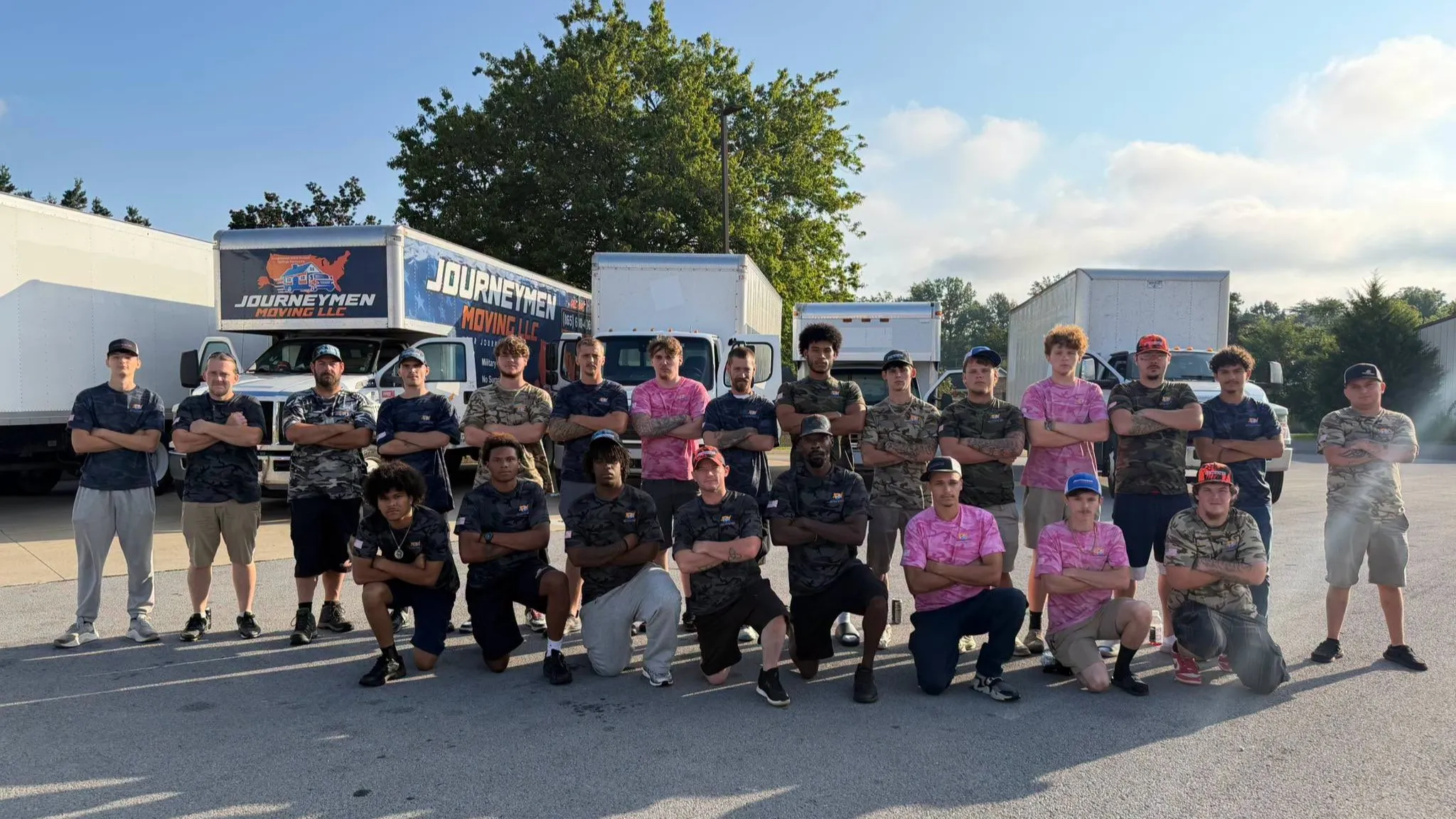
Moving Kentucky Families and Military Members With Care Through Every Step, From Local Moves to New BeginningsWhether you're moving across town, across Kentucky, or starting somewhere completely new, our team is here to help make the process easier from the first box to the final unload.



.webp)
.jpg)
.png)
.webp)
.jpg)