.webp)

Written by:
Journeymen Moving Team
Published:
September 16, 2026
Confused about moving box sizes? Learn which box fits books, clothes, kitchenware, and electronics so you don't overpay or overpack a single carton.
The right moving box size comes down to weight, not room size: dense items like books belong in small boxes, light bulky items like linens belong in large boxes, and anything in between usually fits a medium box. Get this wrong and you either end up with a box so heavy nobody can lift it safely, or a box so empty that everything inside shifts and cracks. Most people buy boxes based on how much stuff they have left to pack, not on what's actually going inside them, and that's where the trouble starts.
This guide breaks down the standard box sizes movers actually use, which rooms and items they're built for, and how to estimate how many of each you'll need so you're not making a hardware store run the night before your move.
Most moving companies and box suppliers work off four core sizes: small (1.5 cubic feet), medium (3 cubic feet), large (4.5 cubic feet), and extra-large (6 cubic feet). A few specialty sizes exist for specific items, like dish-pack boxes and wardrobe boxes, but those four cover the bulk of a typical household move.
The cubic footage matters more than the label. A "small" box from one supplier can be a "medium" from another, so when you're estimating what you need, think in terms of weight capacity and dimensions rather than trusting the name printed on the flap.
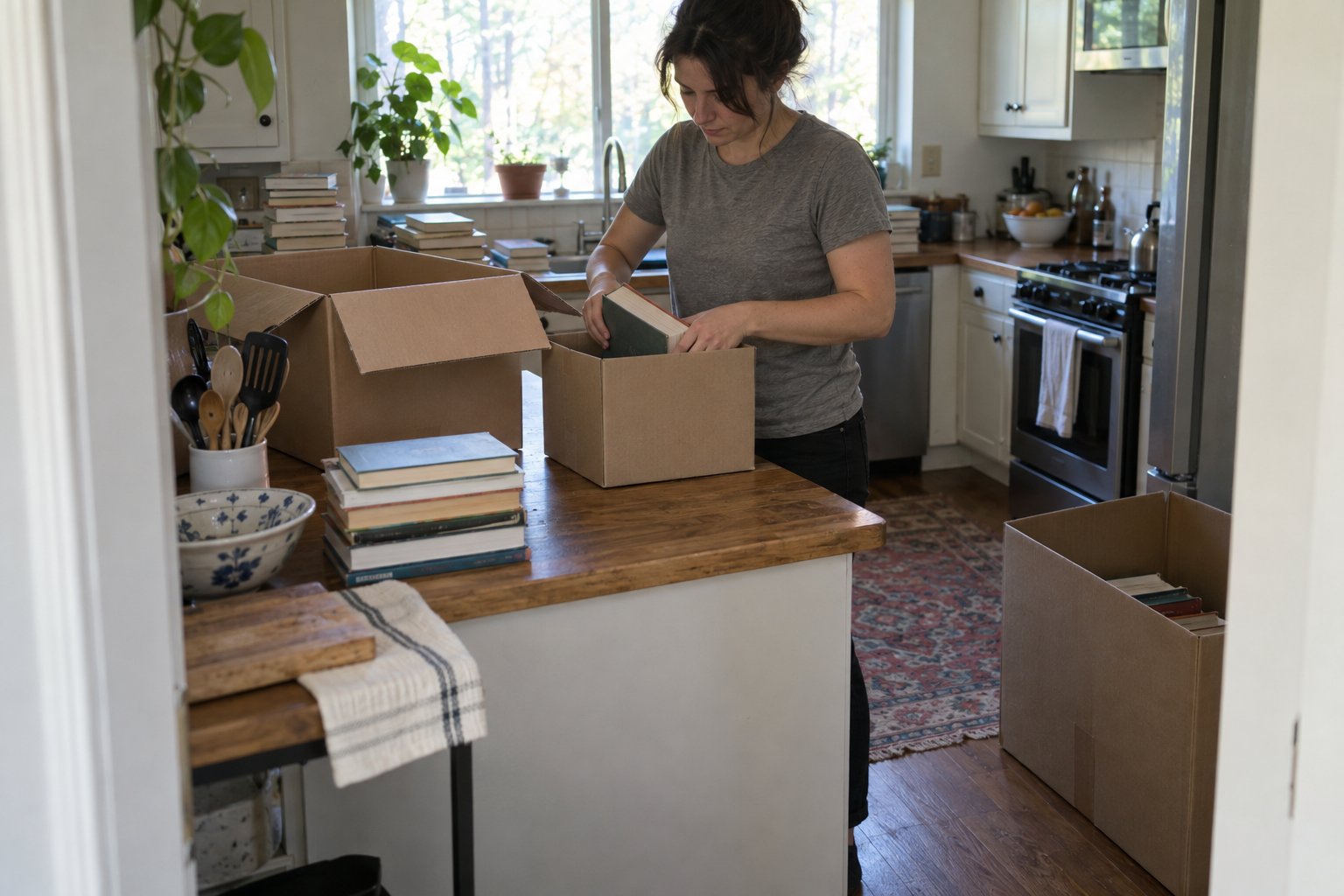
Small boxes are for dense, heavy items: books, canned goods, small tools, and vinyl records. The rule of thumb is that if you can't lift a fully packed box comfortably with one hand, it belongs in a smaller box, not a bigger one. Never let a large box get anywhere near full of books.
Medium boxes are the workhorse of most moves. Kitchen appliances, toys, shoes, and mixed miscellaneous items usually land here. If you're not sure which size to grab for something, medium is the safest default.
Large boxes are for light, bulky items: bedding, pillows, towels, and lampshades. These boxes fill up in volume long before they get heavy, which is exactly the point. Putting anything dense in one of these is how you end up with a box that two people can't carry.
Match the box to the item's weight and shape, not to the room it came from. A single room usually needs two or three different box sizes once you sort by what's actually going in them.
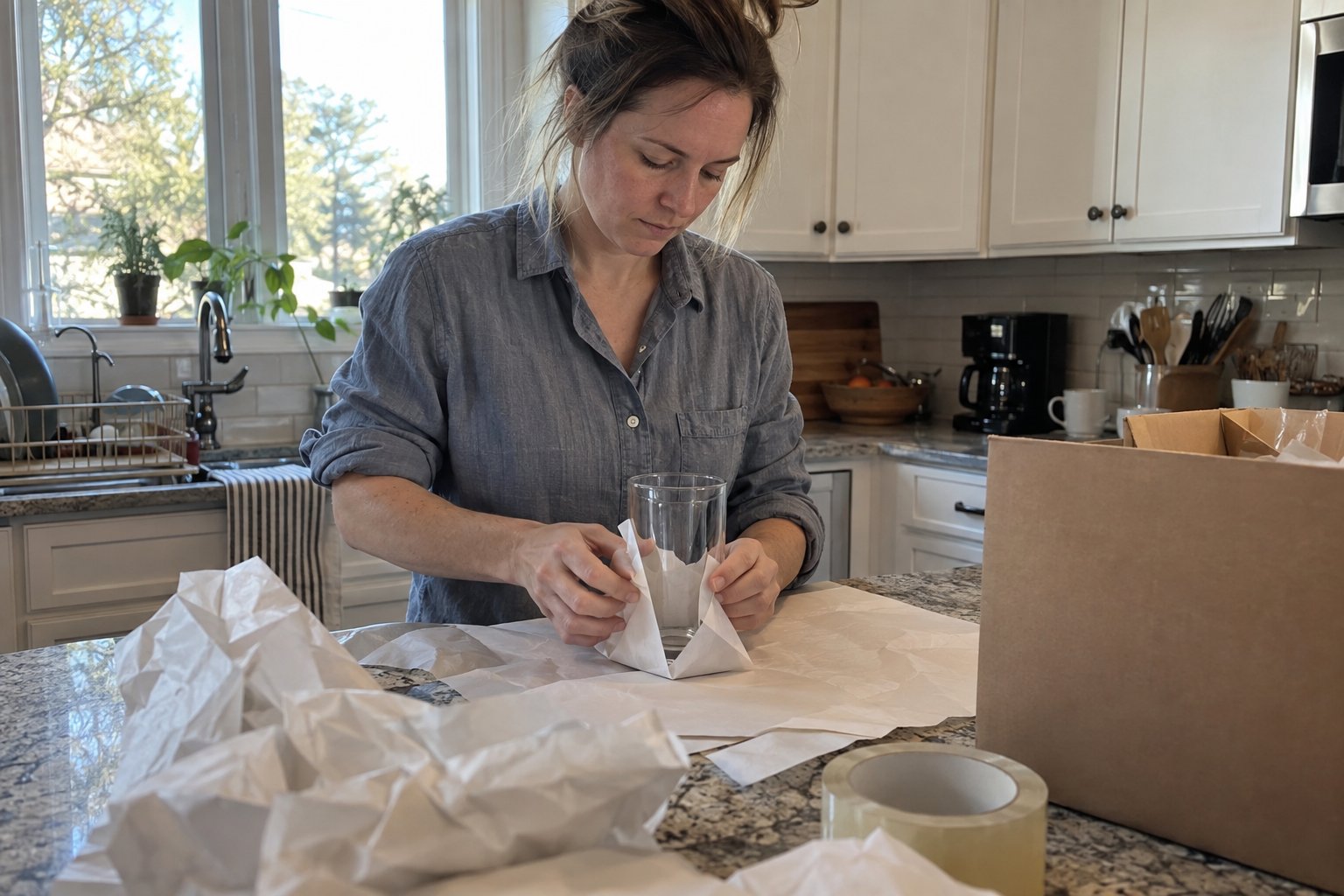
Dishes and glassware call for a dish-pack box, which has thicker walls and built-in dividers. Pots, pans, and small appliances go in medium boxes. Pantry items go in small or medium boxes depending on weight. For plates, bowls, and stemware specifically, pairing the right box with proper cushioning matters as much as the box size itself, which is why it's worth a closer look at how to pack fragile items for moving before you start wrapping.
Folded clothing, shoes, and linens go in medium or large boxes. Hanging clothes do best in a wardrobe box, which lets them travel on the rod without being folded or wrinkled. Books and any decor with real weight to it belong in small boxes even if they came off a bedroom shelf.
Electronics, picture frames, and lamps are shape-dependent more than weight-dependent, so a medium box with extra padding usually works better than trying to force them into a large one. Bookshelves and media collections go small. Loose papers and files go medium.
Tools and hardware go small given how heavy they get in bulk. Sports equipment and seasonal decor are typically bulkier and lighter, so large boxes make more sense there.
A reasonable starting estimate is 8 to 12 boxes per room for an average household, split roughly evenly between small and medium, with fewer large boxes mixed in for bedding and closets. Studio and one-bedroom apartments typically need 20 to 30 total boxes, while a three or four-bedroom house often needs 60 to 100.
These numbers shift a lot based on how long you've lived somewhere and how much you've accumulated, so treat them as a floor, not a ceiling. It's far less stressful to have five extra boxes sitting flat in a closet than to run out at 9 p.m. the night before your move. If you're weighing whether to pack all of this yourself or hand it off, our guide on professional packing services covers what a crew typically takes care of versus what most people still pack themselves.
The most common mistake is defaulting to whatever size box is available instead of the size that matches the item's weight. This is how large boxes end up crammed with books and small boxes end up half-empty and flimsy. Both scenarios lead to boxes buckling, bottoms dropping out, or hours wasted repacking on moving morning.
A second mistake is under-filling boxes to save weight without adding filler material. An empty pocket inside a box means everything shifts in transit, which is one of the leading causes of breakage that has nothing to do with the item itself being fragile. If a box isn't full, fill the gap with a towel, paper, or packing peanuts before you tape it shut.
A third mistake is skipping labels on box size and contents. Movers loading a truck work faster and safer when they can tell at a glance which boxes are heavy and need to go on the bottom. This ties directly into how the truck gets loaded once moving day arrives, since a well-organized stack of properly sized, labeled boxes is what makes efficient loading and unloading possible in the first place.
Buying your own boxes gives you more control over sizing and lets you start packing weeks in advance, while sourcing them through your mover is usually faster if you're short on time. Many movers can supply boxes as part of a packing service, which also means the crew is packing with sizes and materials they're already used to handling.
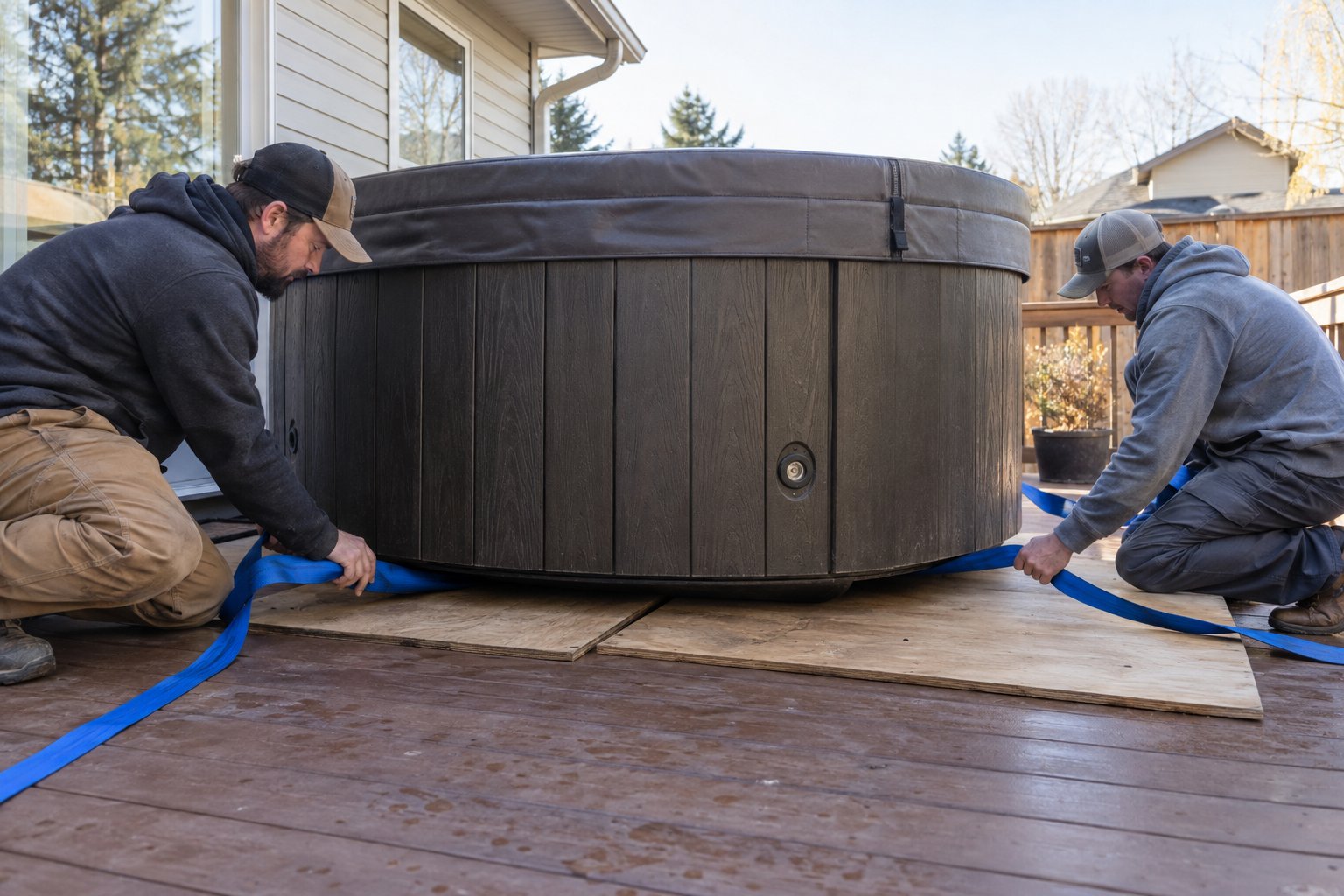
If you're moving specialty items that don't fit standard box categories at all, like a piano, gun safe, or hot tub, box sizing stops being the relevant question entirely and the move needs a different kind of planning. Our heavy and specialty item moving page covers what that looks like when boxes aren't part of the equation.
Whichever route you choose, sort by weight before you tape a single box, keep the heaviest items in the smallest containers, and leave the big boxes for the light, bulky stuff. That one habit prevents most of the packing problems people run into on moving day.
Use small boxes for books. Books are dense and heavy, so a small box keeps the weight manageable even when it's packed full. A medium or large box of books is often too heavy for one person to lift safely.
A dedicated dish-pack box with reinforced walls and dividers is worth it if you have stemware, china, or anything fragile. Standard medium boxes work for sturdier plates and bowls as long as you cushion between each item.
Buying cardboard boxes is usually cheaper upfront, especially if you can find some free or secondhand. Rental plastic bins cost more but are reusable, sturdier, and save you the trouldle of breaking boxes down afterward, so the better deal depends on your timeline and budget.
Yes, as long as they're sturdy and not visibly damaged or water-stained. Liquor store boxes are often a good match for glassware since some come with built-in dividers, but check the bottom seams before trusting them with anything heavy.
A box should be completely full with no empty gaps, but not bulging or so heavy it strains the bottom seam. If there's leftover space, fill it with packing paper or a towel rather than leaving items free to shift during transit.
Not every move needs the same thing. Tell us what you need — full-service packing, a hand loading a rental truck, or help with one heavy or fragile item — and we'll build the plan around it.
Moving Kentucky Families and Military Members With Care Through Every Step, From Local Moves to New BeginningsWhether you're moving across town, across Kentucky, or starting somewhere completely new, our team is here to help make the process easier from the first box to the final unload.


.webp)
.jpg)
.png)
.webp)
.jpg)